
Iranian Agriculture 23-Mar-24
A comprehensive analysis of Iran's agriculture on the occasion of the end of 1401 and the beginning of 1402 (Nowruz).
Mansoor. Ansary
The ups and downs of agriculture in the past year
The important events of agriculture in the past year are the subject of the editorial of this issue, which the author has divided into three main parts:
1- Frequent transfer of officials in the Ministry of Jihad and Agriculture
2- Plans and policies of the ministry and their realization or non-fulfillment
3- Accompaniment and cooperation between farmers and the government and the nation.
The author also mentioned the multifold increase in the rate of the government dollar and the free dollar, which has been a very determining and influential factor in the fluctuating production and consumption market of agricultural products.
The author of the editorial went on to further explain the above three cases and gave examples of some strange movements in the Ministry of Jihad and Agriculture and said that when the country’s macroeconomic structure, followed by the state’s agricultural economy and business, has a root problem, the movement of people, is not very logical and effective and it seems that Mr. Minister also knows this.
The author has emphasized: the ministry that intends to implement leapfrogging and different programs should appoint someone as the head of the planning and economic deputy who is an experienced economist, not an inexperienced person in economic affairs who has little knowledge and study in this field.
The author also pointed out the sensitivity of the country’s current situation and the issue of food security, which leaves no room for trial and error and has no achievements except losses for the country’s farmers and agriculture!

Iranian Agriculture:
The forecast for the production of 13.2 million tons of wheat this year
Thanks to the increase in domestic production, wheat imports have decreased by 2 million 400 thousand tons in the eleven months of this year.
Recently, the Office of Foreign Agricultural Services of the United States affiliated to the Ministry of Agriculture of this country in its latest report called “Grains; Markets and World Trade” has predicted that Iran’s wheat production will reach 13.2 million tons this year with a 10% growth compared to the previous year.
Iran’s wheat production will grow by 10% in 2023, while the world wheat production is expected to increase by only 0.5% this year and reach 781 million tons.
However, as the officials of the private sector and unions related to wheat farmers have announced, the cultivation of this strategic crop in our country has reached more than 6 million hectares, of which 2 million hectares are irrigated and 4 million hectares are rain fed.
Alireza Mohajer, Deputy Minister of Agriculture of the Ministry of Agricultural Jihad, says: contract farming will cause less damage to the activists of this sector by developing the level of essential agricultural products such as wheat and increasing the satisfaction of farmers. During this period of time, the United Arab Emirates, England, Italy, Germany, Turkey, Singapore, Serbia and Montenegro, Russia, Kazakhstan, Mexico, the Netherlands and Hong Kong have been 12 sources of Iranian wheat imports.
Journalist: Masoud Ansari

iranianagriculturalnewsagency
Rankings 3 to 19 Iran in the production of 20 important agricultural products in the world
The Food and Agriculture Organization of the United Nations announced Iran's rankings of 3 to 19 in the production of 20 important agricultural products in the world.
The latest statistics released by the Food and Agriculture Organization of the United Nations (FAO) based on the statistics of 2020 show that Iran is one of the largest producers of agricultural products in the world and ranks 3rd to 19th in the production of 20 important agricultural products.
* Iran ranks 3rd in the production of 4 products

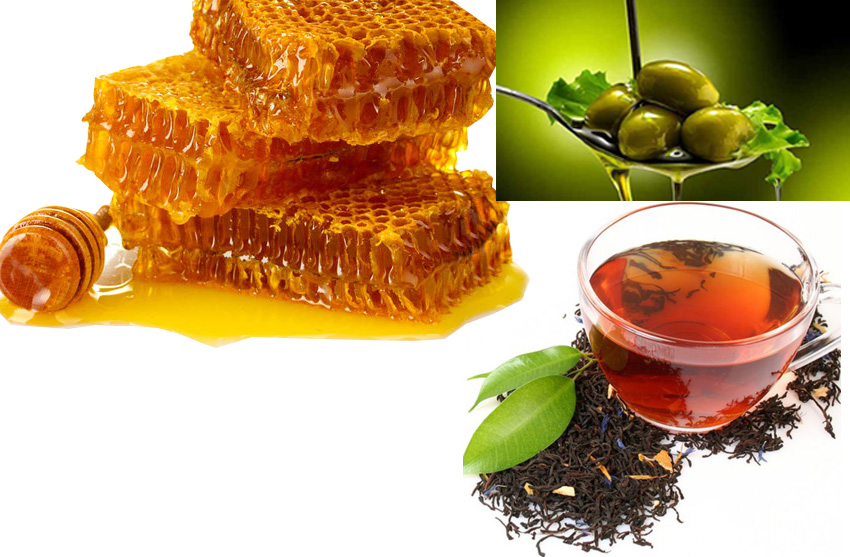
Iran is the third largest producer of dates, honey, pistachios and walnuts in the world. The annual production of Iranian dates is 1.28 million tons, according to which Iran is known as the third largest producer of this product in the world after Egypt and Saudi Arabia.
Honey production in Iran is 80,000 tons per year, which is the highest honey production in a country after China and Turkey. China's honey production is estimated at 458,000 tons per year.
The FAO has announced that Iran's pistachio production 190,000 tons in 2020, placing Iran in third place after the United States and Turkey. Iran has traditionally been ranked first or second in world pistachio production, but due to drought in 2020, production fell sharply. US pistachio production this year was 474,000 tons.
Iran is ranked third in the world in the production of walnuts with 356 thousand tons. China is in first place with 1.1 million tons of walnuts and the United States is in second place.
* Iran ranks 4th in world almond and watermelon production

Iran is also ranked fourth in the world in almond and watermelon production. Iran's almond production is reported at 164,000 tons per year. The United States is in first place with 2.37 million tons of almonds, followed by Spain and Australia in second and third place.
The FAO has announced the production of watermelon in Iran at 2.7 million tons. China ranks first in the world with 60 million tons of watermelon, followed by Turkey and India.
The fifth rank of kiwi production is also related to Iran. Iranian kiwifruit production is 289 thousand tons per year. China, New Zealand and Italy are the first to third largest producers of kiwifruit in the world. China Kiwi production is 2.23 million tons per year.
Iran is ranked sixth in the world in eggplant production. Iran's eggplant production in 2020 amounted to 595 thousand tons. China ranks first with 3.6 million tonnes, followed by India and Egypt with second and third eggplant production.
Iran is also ranked seventh in onion and tomato production. Iran produces more than 2 million tons of onions a year. India is the largest producer of this product in the world with 26.7 million tons of onions. China and the United States rank second and third, respectively.
Iran's tomato production is 5.7 million tons per year, which is less than the production of only six countries in the world. China tops the list with 64.7 million tonnes, followed by India and Turkey with second and third.
Iran is also ranked eighth in the world in spinach production. Iranian spinach production is estimated at 98,000 tons per year. China tops the list with 28 million tonnes. The United States and Kenya are also ranked second and third in the production of this product.
The FAO has announced the production of Iranian oranges at 2.2 million tons per year and has introduced Iran as the ninth largest producer of this product. Brazil topped the list with 16.7 million tonnes of oranges, followed by India and China.
Iran is also ranked 11th in grape and sugar. Iran's grape production is 1.99 million tons and sugar production is 6.225 million tons. China topped the list with 14.7 million tonnes of grapes, followed by Italy and Spain. Russia is the world's largest sugar producer with 33.9 million tonnes of sugar, followed by the United States and Germany.
* Iran ranks 12th in the production of 2 important wheat and tea products
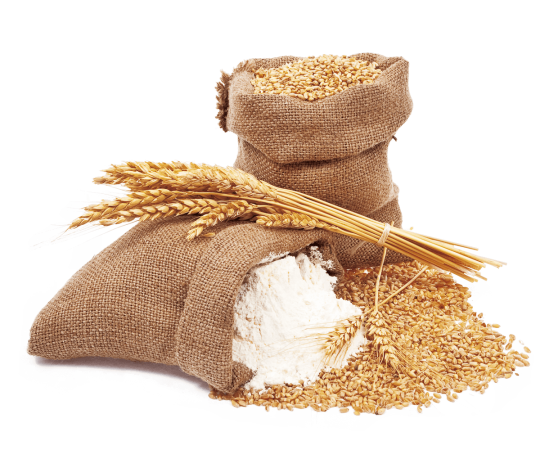
According to the FAO, Iran is the twelfth largest producer of wheat in the world. Iran's wheat production in 2020 amounted to 15 million tons. China is the world's largest producer with 134 million tons, followed by India and Russia.
Iran is also ranked 12th in tea production and has been in this position with the production of more than 84,000 tons. China topped the list with 2.97 million tonnes of tea, followed by India and Kenya with second and third.
Iran is also ranked 13th in the world in barley production. Iran's barley production has been 3.6 million tons per year. Russia ranks first with 21 million tons of barley, followed by Spain and Germany.
Iran's olive production is 108 thousand tons per year and Iran is ranked 18th in the world in this regard. Spain is the largest producer of olives with 8.1 million tons, followed by Italy and Tunisia.
Finally; Iran has rank 19th in the production of two products, potatoes and pears.
Iran's potato production is announced at 4.47 million tons per year. China ranks first with 78 million tonnes of potatoes produced. India and Ukraine are second and third.
Iranian pear production has been 125 thousand tons per year. China tops the list with 16 million tonnes, followed by Italy and the United States as the second and third largest producers.
Reporter: Farnanak Masoudi


Agriculture in IRAN:
Provision of 400,000 tons of certified wheat seeds for the next crop year
5/7/2022
The supervisor of the wheat project stated: In order to support wheat farmers, in addition to certified and labeled seeds, we have provided basic fertilizers such as nitrogen, phosphate and potash with a 48% price reduction compared to last year for the next crop year.
Sohrab Sohrabi pointed to the credit line of 5 thousand billion tomans for agricultural mechanization this year and stated: a part of this facility is planned for the purchase of machinery and tractors needed for land and crops.
The supervisor of the wheat project of the Ministry of Agricultural Jihad stated: One of the concerns of farmers is the high costs and timely supply of inputs for wheat cultivation, which is solved through contract cultivation, and farmers pay for the received inputs from the guaranteed purchase amount when the product is delivered
He reminded: In the current crop year, contract cultivation of wheat was done on 250 thousand hectares of irrigated lands in 17 provinces of the country.
Reporter: Masoud Ansari


Agriculture In Iran
Malayer’s Grapes has now received global recognition and standard thanks to the local university and the experts’ agricultural research and development efforts.
Malayer’s Grapes, due to its high quality, both in terms of taste and texture, is now has been recognised globally as one the best type of grapes.
Malayer is a small village in west of Iran in Hamedan province. Traditionally, Malayer has been famous for the farmlands of grapes. Since the potential of this land has been known for a while, and many native farmers are taking advantage of the privilege to grow the fruit in the area, there has been plenty of internal agricultural research to improve the quality of this product.
The research and development of the local university has help to improve the soil quality and implement better watering system. these agricultural researches have enabled this local commodity to be recognised and appreciated globally.
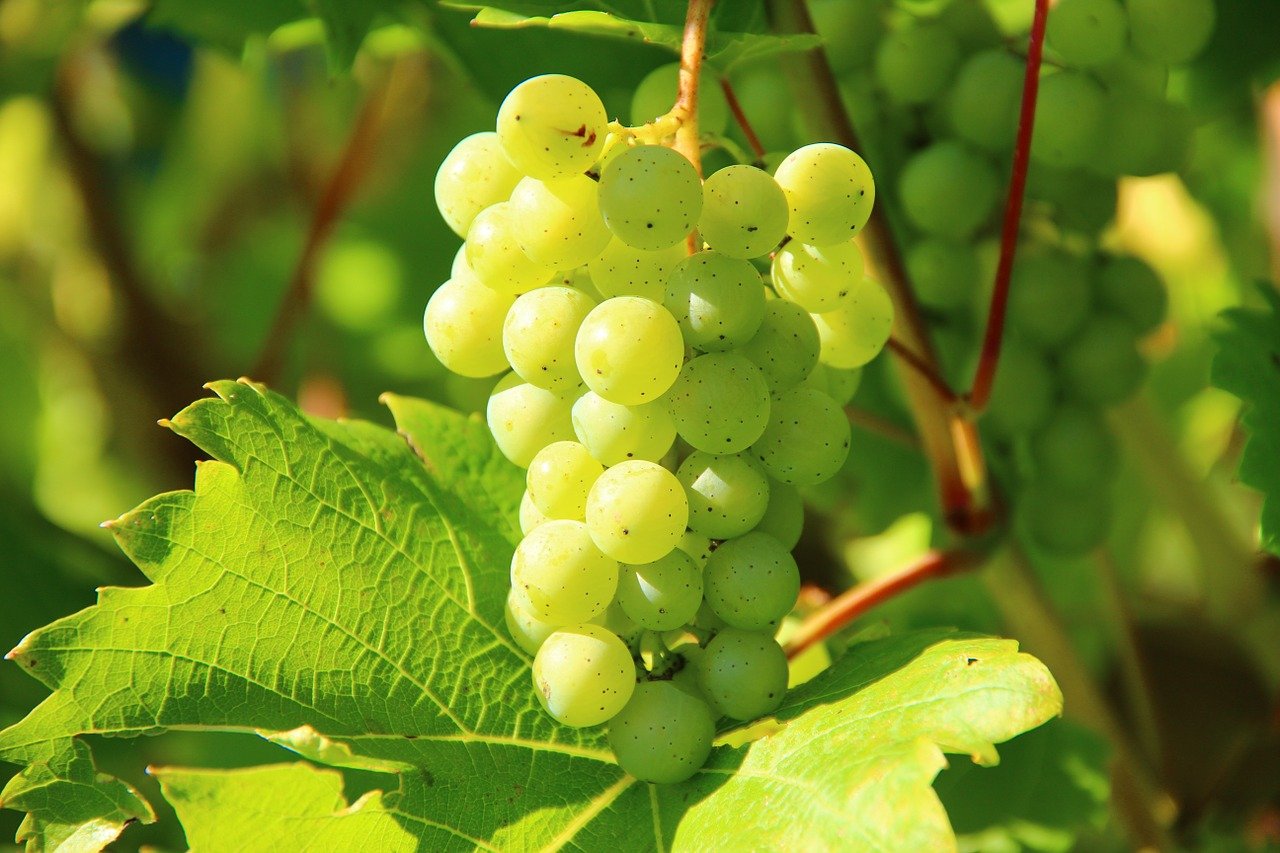
Different type of Grapes

Pinot Noir: relatively larger bits and coloured back.
Kyoto:rustic tastes due to large seeds and purplish color.
Crimson Seedless: rather savoury taste similar to pomegranate, and as the name suggest, they are seedless and therefore relatively small bits.
Lastly, Cotton Candy: average size, small seeds and tastes highly sweet.
The kind which are being grown in Iran are Cotton Candy. This particular grape, as well as being developed in Malayer, are also being agriculture in Turkey, California, and Australia: warm agricultural climate