agriculture in Iran
Meygun, a perfect weekend getaway.
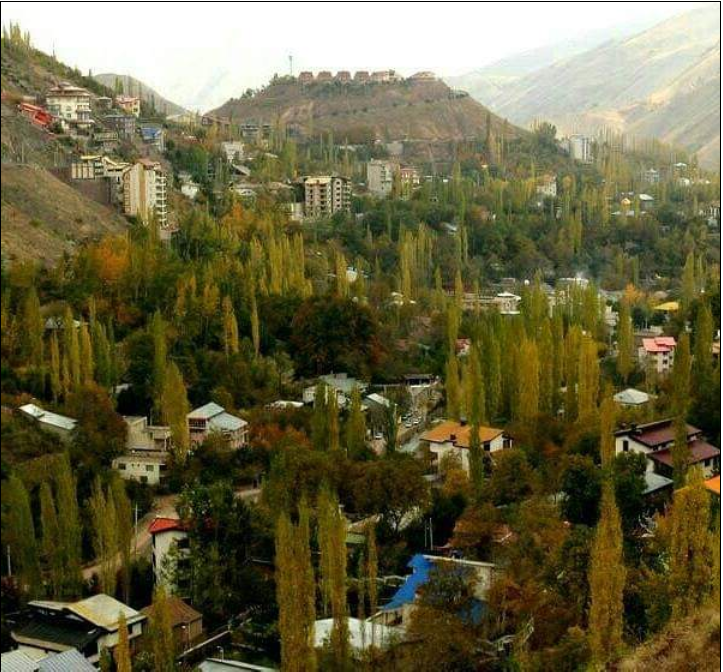
Meygun is a valley amongst the Alborz mountains located 50 km of Tehran-Iran. It is now beginning to develop into a residential area due to Tehranians build a number of villas in the area.
As abovementioned, due to the demand of Tehranians for a weekend getaway, a number of villas have been built in the area. The environment being developed into a countryside residential area, the local government has built new roads which can facilitate the travels of the villa owners.
People who live in Tehran, due to the busyness, polluted air, and some other issues associated with living in the capital city, tend to take short holidays in the countryside. Traditionally the destination of the majority of the travellers is Shomal (north of Iran where cities as Rasht, Gilan Anzali, etc... are located), however, as the demand for the travel increase, the quality of the journey decreases. For example, long traffics double the journey time, all the available resorts being fully booked, etc... This situation has caused a lot of travellers, particularly Tehranians, to seek alternatives routes, in which, Meygun, has become a new destination.
Climate in Meygun
Meygun is cold. Meygun being located in a valley amongst the Alborz mountains can be very cold during winter. During this season, the temperature reaches somewhere between -10 to -15 degrees and heavy snow is expected. However, during spring and summer, the temperature reached a pleasant 20 to 25 degrees and the weather is often sunshine.
National habitat of Meygun
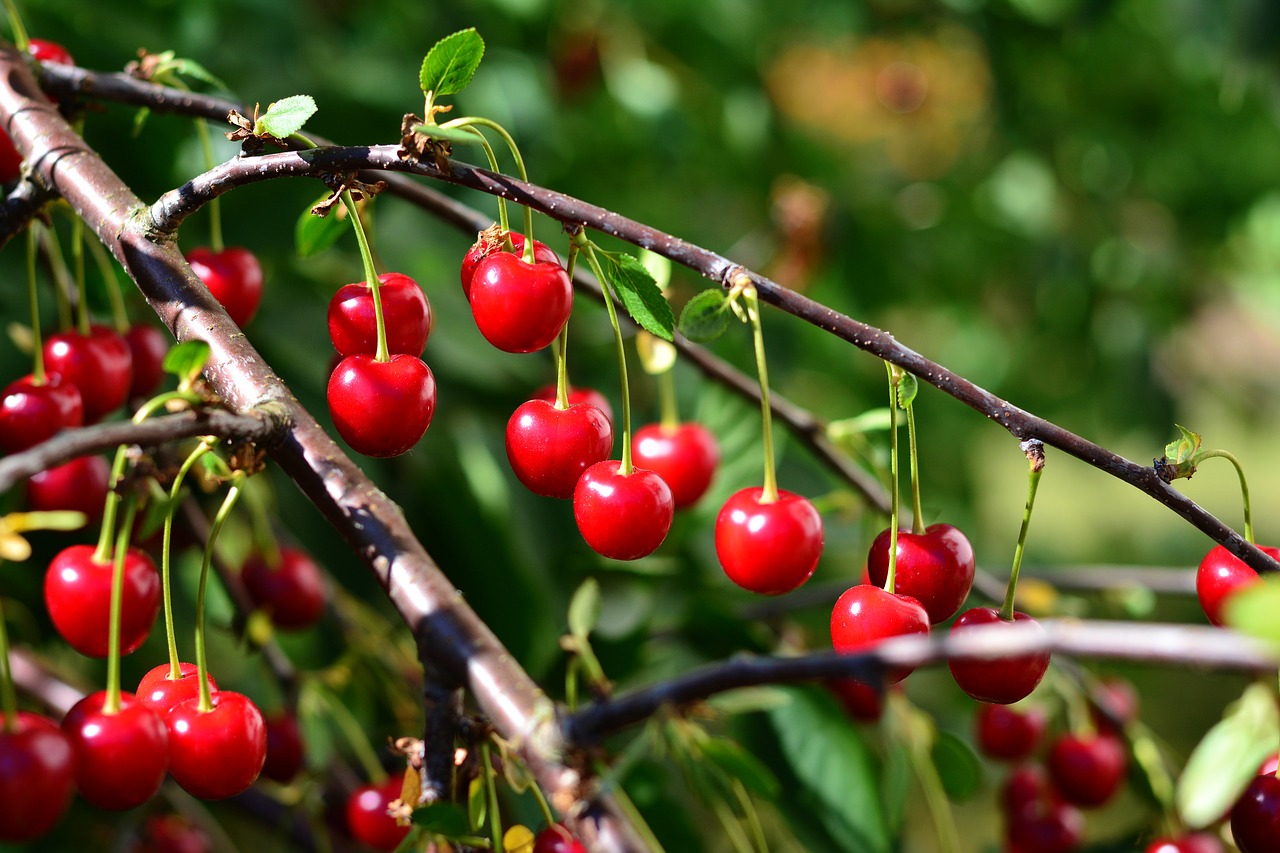
Meygun is the home to the Persian Cypress Trees. As can be seen from the picture, Cypress is a tall and narrow tree. Persian Cypress Trees have a long history of symbolism in Iranian tradition and they are widely being seen in this valley. Sour cherries are also, in large quantities, are being naturally developed in this area. One reason many people traveling in this area is to hand-pick those fruits. They are also a number of local stores in which they sell local products such as sheep Yogurt, Ayran, and Butter.
So, if you are wondering where to go this weekend, or just want to get away from your busy life for few days and spend a happy time with your friends and family, look up Meygun on Google maps. There are plenty of nice restaurants on the way which you can treat yourself to a nice meal, or you can bring BBQ and prepare your meal within this beautiful mountain nature.

CLICK HERE AND JOIN US:



Agriculture In Iran
According to Javad Mir Arab Razi, director of olive production in iran, in order to improve the quality of olive gardens in Iran, 250 million rial (5.9 million dollar) funds has been distributed to the garden owners or supervisor. He added, this fund has already been distributed among garden owners and the improvement are taking place and expected to be successfully ceased within two years -1401.
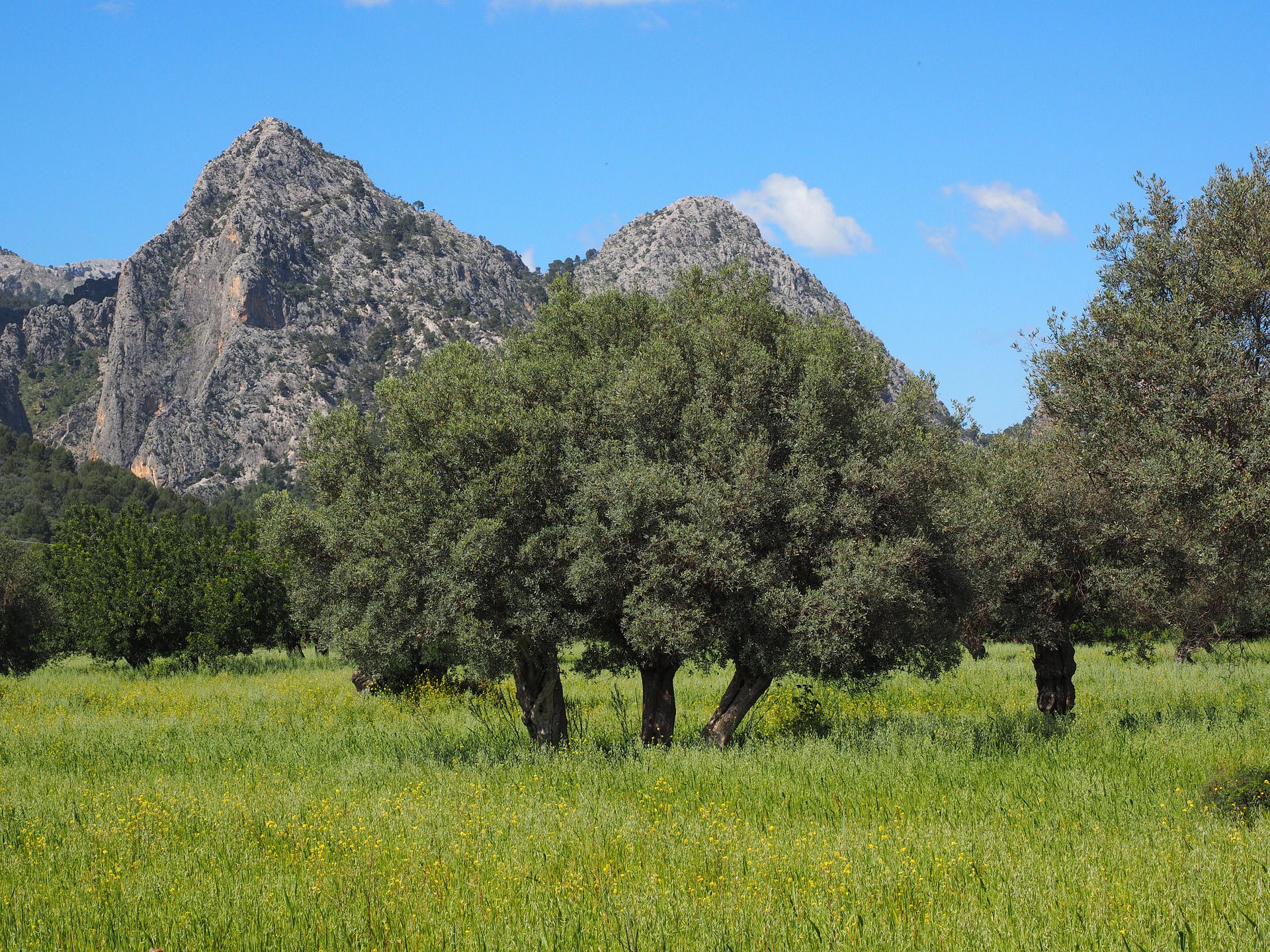
He explained, the improvements include changing soil and fertilisers qualities, altering the watering process, employ agriculture experts to supervise the situation and extract suggestion, clear the olive tree pests and diseases and hiring more labours to conduct the chores.
Mr. Javad Mir Arab Razi clarified that some the olive garden across the country, particularly, olive grenades in Gilan, Zanjan and Qazvin are now aged gardens. This means, the trees have already had their useful years and they need to be cut off to render more room for younger saplings.
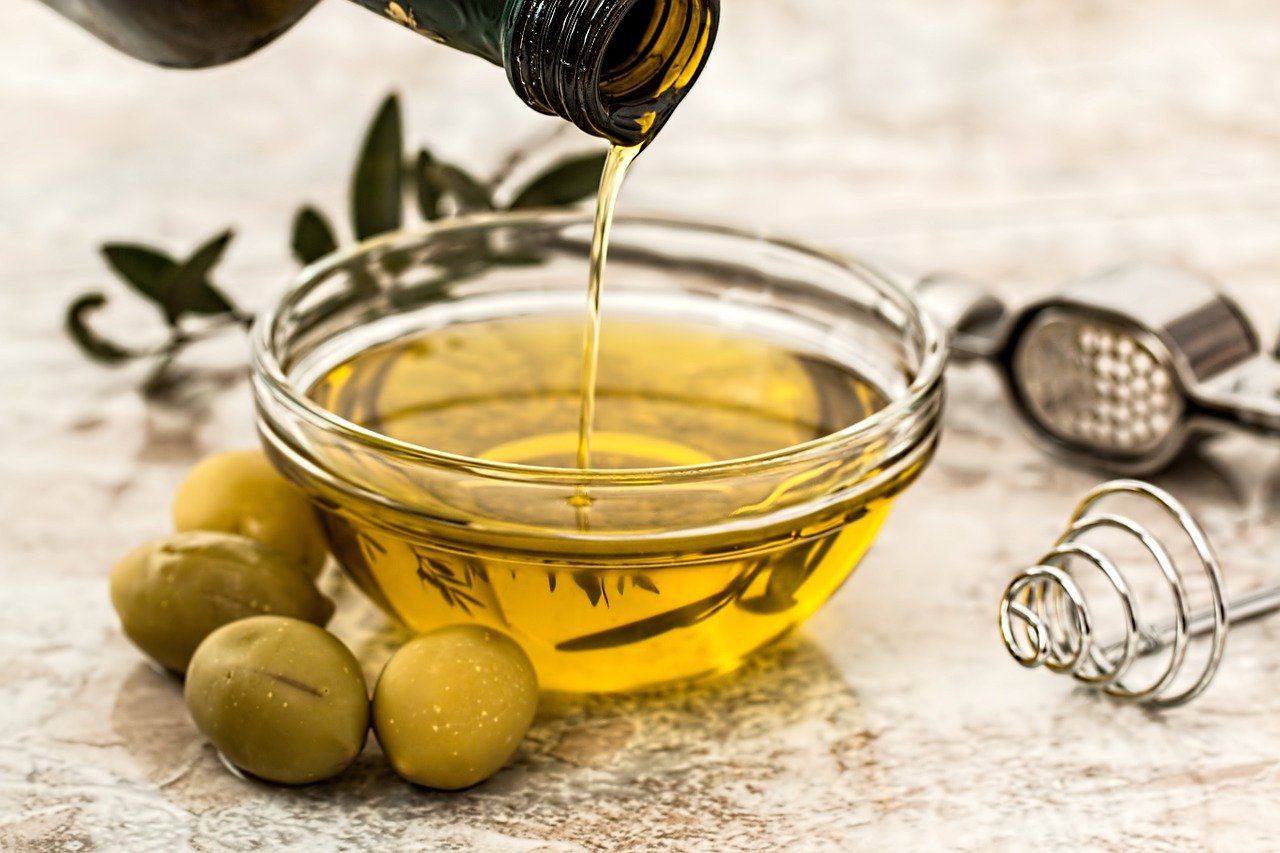
Mr. Javad Mir Arab Razi added these funds have been particularly allocated to address these issues and with the help of agriculture experts, garden owners/supervisor and local community, these enhancements shall be fulfilled.

Agriculture In Iran
Within the upcoming cropping year (1400), 98,000 kg of cotton will be produced as the result of cultivations of Gossypium farmland in Iran.
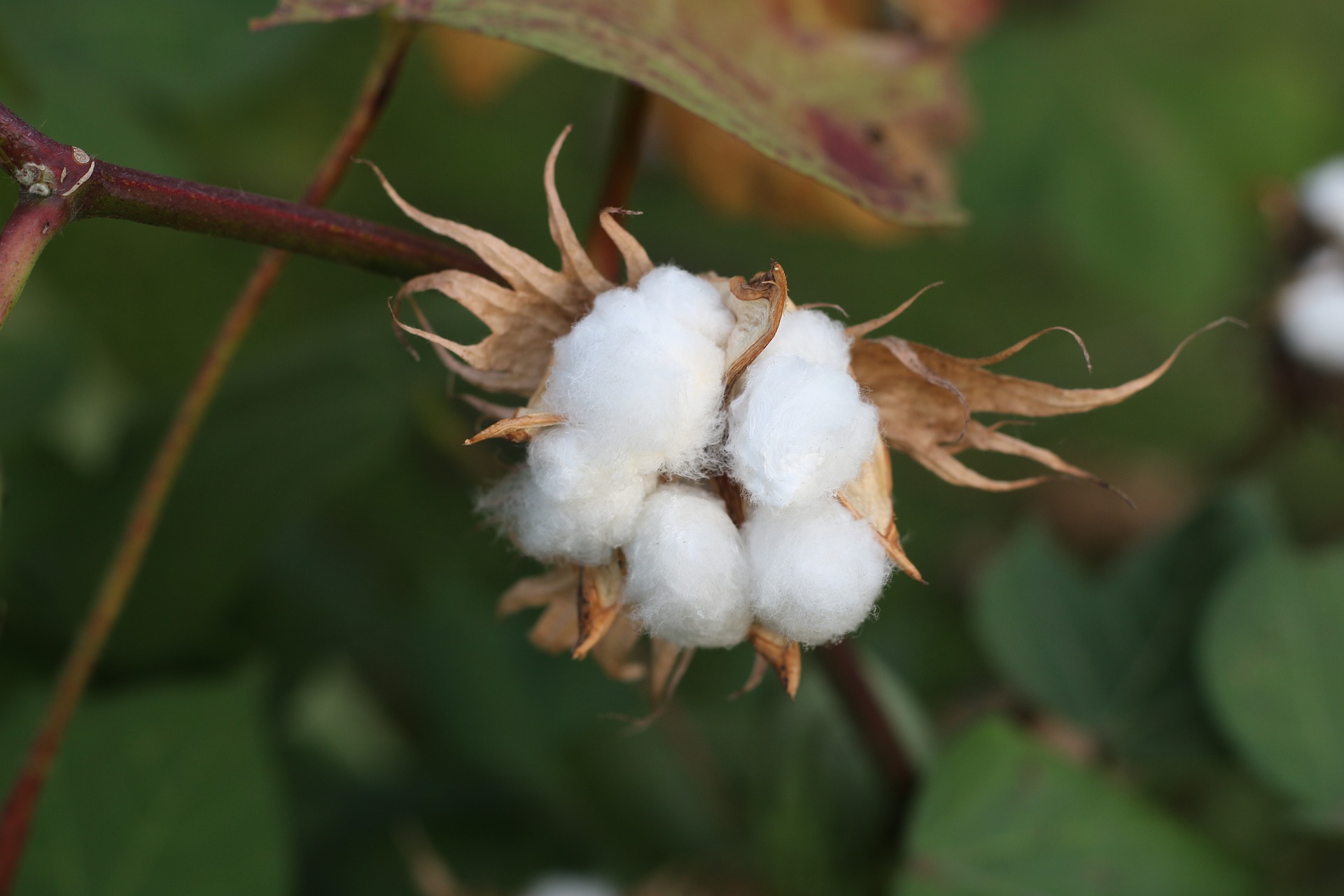
According to the cotton production agricultural department, within the forthcoming year, 115,000 hectares of Gossypium farmland was active in which 327,000 kg of Gossypium Hirsutum (Cotton plant) will be produced, and from cultivations of these plant, 98,000 kg of cotton will be available as the final product.
Ibrahim Hezarjaribi, the director of the cotton production in Iran, explained, there has been an increase of 17% in the expansion of Gossypium farmland in which, it is believed, this growth, is highly likely to result in a 21% increase in production of this plant.
In regard to countries’ need for such product, Ibrahim Hezarjaribi clarified, based on the previous year records’, which was 120,000 kg of consumption of this product, the 98,000 kg cultivations will satisfy 82% of the country’s needs, in which this considered a major self-efficacy point.
Lastly, as an endnote to his interview, Ibrahim Hezarjaribi pointed to seed production of this plant, and elucidated, a large portion has been developed as a result of ‘self-implementation’ (as the plants grow, alongside the actual cotton, they also produce plenty of workable seeds, in which those seeds has been collected for reproduction purposes for the future cropping planning) which means, there will be no shortcoming of this material.

Agriculture In Iran
International relations in the agriculture sector: Iran and Russia have now decided to cooperate in the field of agricultural research and development sector.
The minister of Iran’s agriculture department, Kazem Khavazi, in a meeting with Vladimir Traknaschi, the minister of Russia’s agriculture department has decided to begin a new relationship in the field of agricultural research and development. This relationship means academic cooperation between each country. That is the agricultural research and development units of each university begin to exchange intellectual properties in order to improve the overall quality of research in this field.
Withing this meeting, Mr. Vladimir Traknaschi explained, although there are plenty of research departments in Russia that are highly active in the field of agricultural development, cooperating with Iran will further improve this procedure.
Mr. Kazem Khavazi, in response to Mr. Vladimir Traknaschi's assertion, clarified, agricultural research and development in Iran have a long history of activities, and as the result, Iran’s agriculture can be considered to be at an advanced level.
Reciprocity of intellectual property
Reciprocity of intellectual property is rather a common practice between nations. This practice often requires the most advanced research units of each party to exchanging findings and results of their experiments and projects. These reciprocities can save a significant amount of resources and time.
In the case of Iran and Russia, both countries have different climate circumstances which mean their agricultural practices are different. The cooperation in this field will improve both countries’ agriculture development and therefore, can be highly beneficial for both of them.

Agriculture In Iran
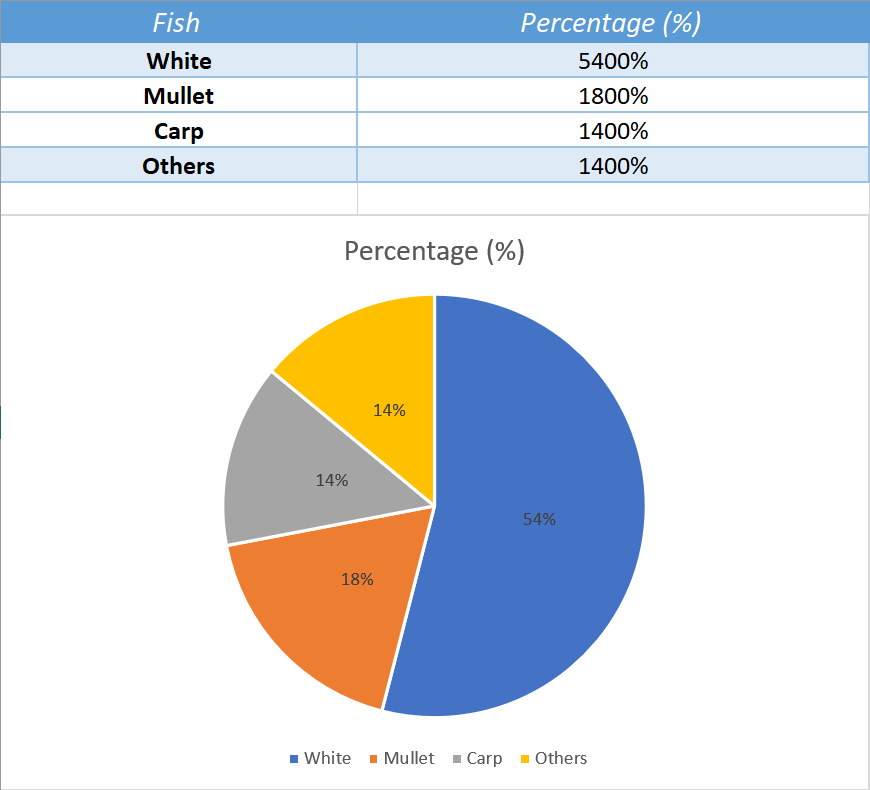
According to Mukhtar Akhundi, general director of Iran’s fisheries organisation, the recent large-scale fishing in the Caspian Sea has resulted in 11,000 kg of ‘bonefish’ which is approximately a 1% increase compare previous year.
He further added, in the year 1399-1400, in Golestan and Gilan there has been an increase of 23 and 14 percent in large-scale fishing from the Caspian Sea, accordingly. This number in Mazandaran province has seen a 14% decrease instead. He provided the following fisheries statistics:

Mr. Mukhtar Akhundi reassured that in 1398-1399, in total, the large-scale fishing in the Caspian Sea has resulted in 10,910 tons, and break down the numbers by asserting: 56% of fishes were white fish, 18% were Mullet fish and 14% were Carp fish. He further explained, in Caspian see, commercial fishing is occurring for catching 14 different types of fish, in which 88% of the caught fishes are as abovementioned fishes: White, Mullet, and Carp. Graphical representation is as follows:
Table one: Fish type and thier picture
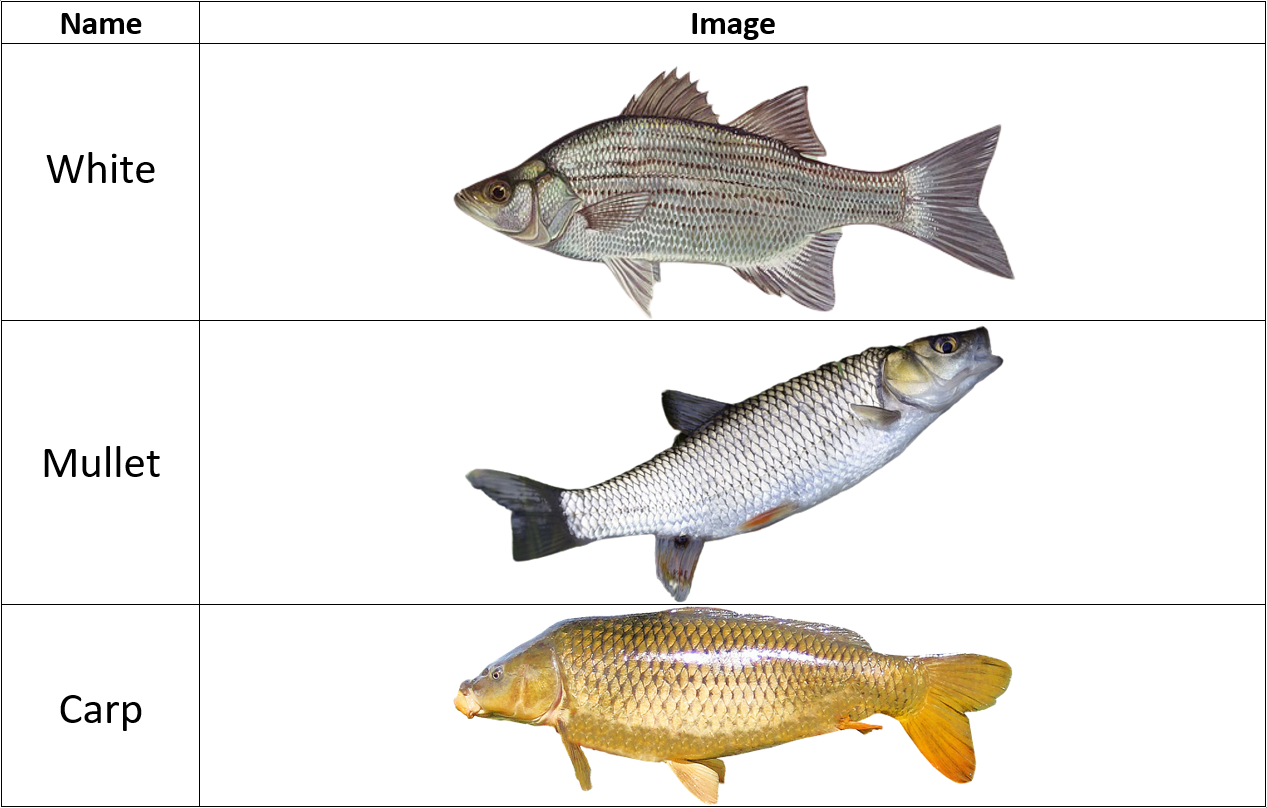
Table Two: Fish type and thier lates harvest percentage
In regard to the sustainability of fisheries in Iran, Mr. Mukhtar Akhundi referred to the strategy of “development of 250 million Baby fish in designated pools (Fish breeding ponds)” and elucidated, unfortunately, due to illegal fishing, pollution in the environment, and most destructively, urban and industrial effluents into river water, only 10% of 250 million Baby fish in designated pools were survived and were able to be pass on the Caspian see.
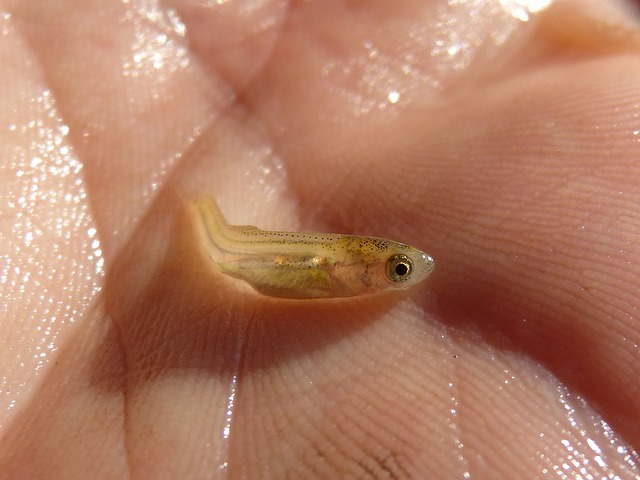
Mr. Mukhtar Akhundi, regarding this devastating news, which could potentially, and will eventually, stop Iran's ability to catch any fish from the Caspian Sea, clarified, Iran’s Fisheries Science and Research Institute are analysing the issues and are working on a solution to prevent the fish breeding problem. He also added, their initial analysis and planning will increase 35 million current surviving Baby Fish to 45 million.
Traditional style Mazandarani circus fruits stuffed white fish recipe:
Ingredients
Whole Whitefish, 2-3 cloves of garlic, 1 Orange, 1 lemon, 1 lime, a handful of fresh dill, olive oil or butter, salt and pepper.
Thin slice orange, lemon, lime, and garlic cloves, season the inside of the fish and arrange the slices of your fruits inside the fish. Then add your garlic and dill on top of the sliced fruit. Use your knife and make 4 to 5 horizontal cuts on the fish skin and cover the whole fish with a generous amount of olive oil or butter then add a number of slices of fruit on the top of the fish. Place the fish on a tray fold with aluminium then place the tray in the oven for 30 minutes at 360 degree.
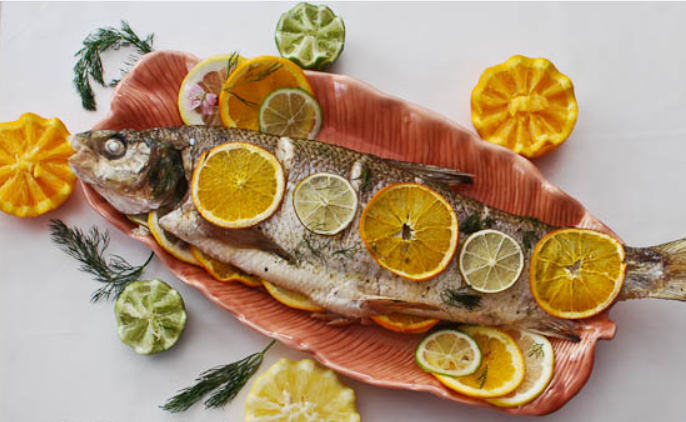
While you are enjoying your fish from this Gilani traditional recipe, please remember that protection and sustainability of the environment around us is directly linked the survival of us and any future generation from us. Sustainability is a simple concept, its highly related to consumerisms: how we behave toward the food we get.