
Characteristics and indicators of the Minister's speech at the first press conference
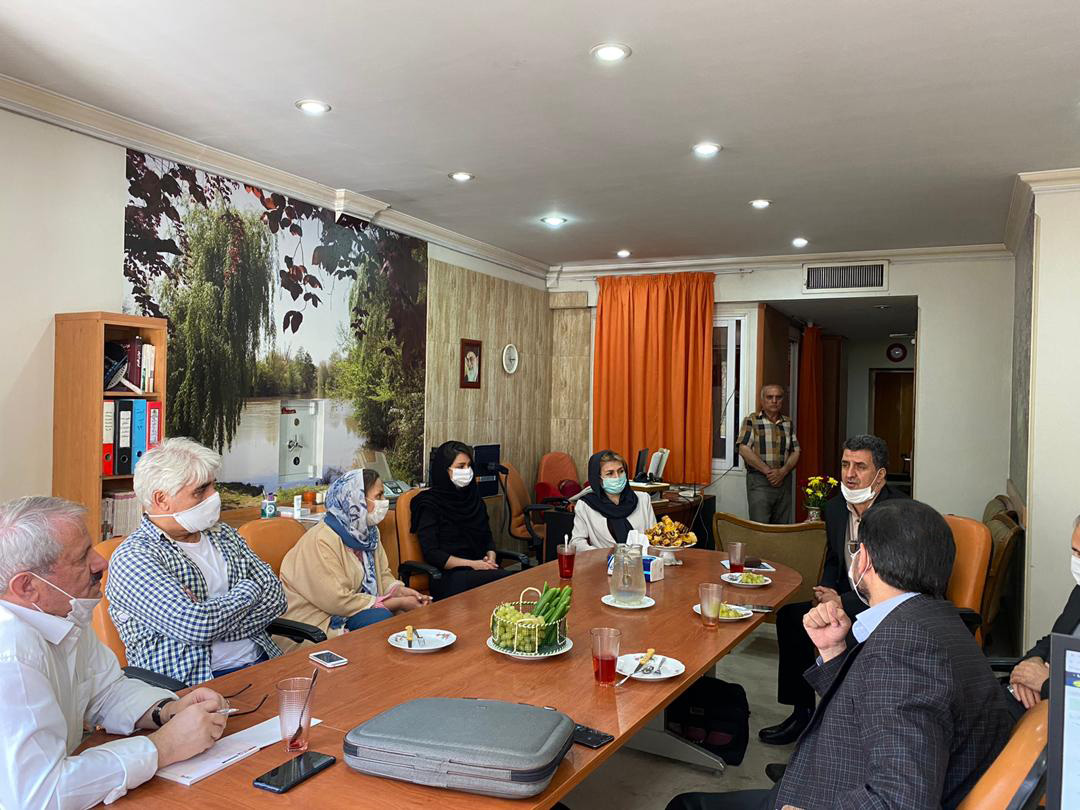
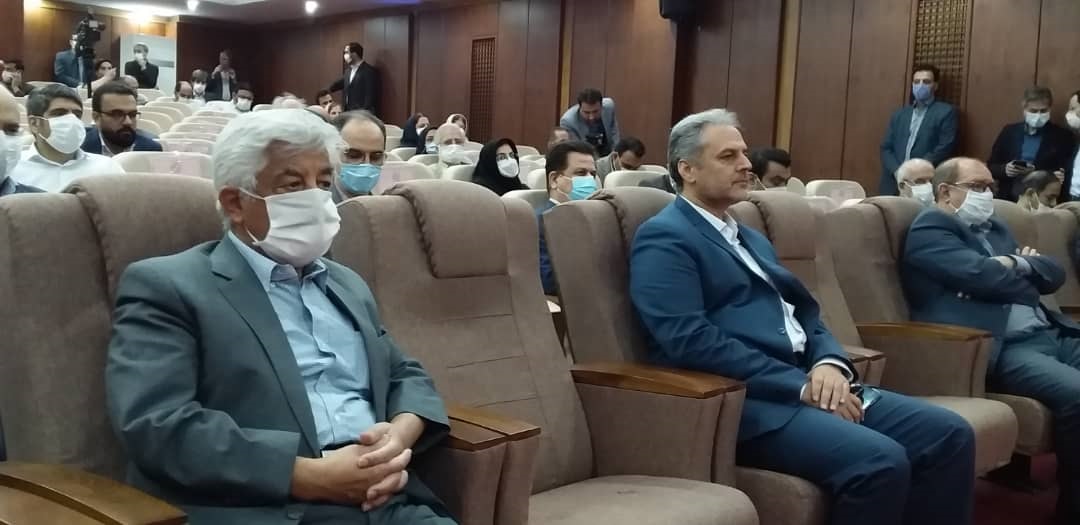
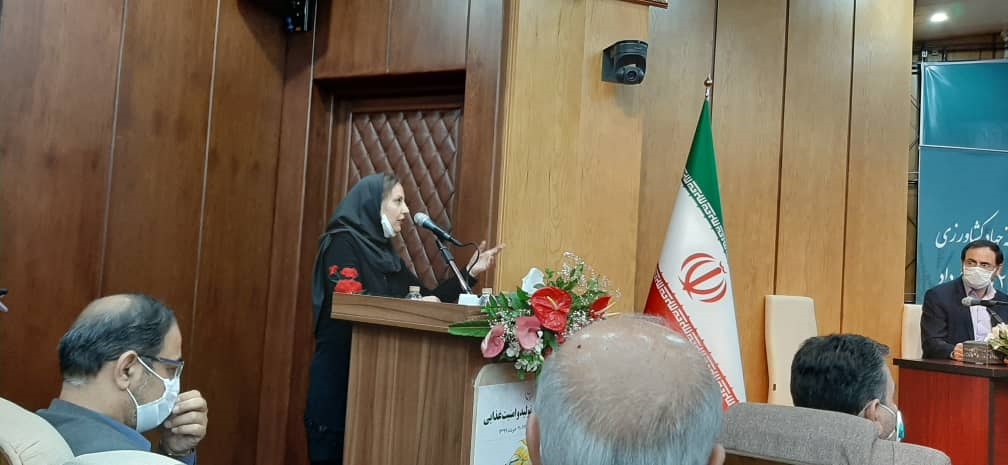
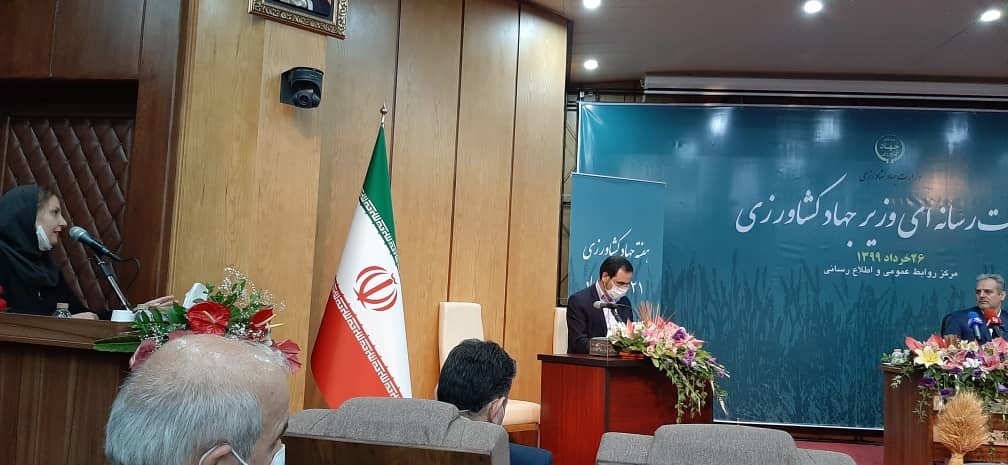
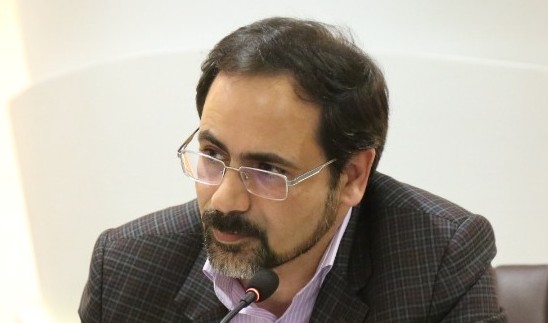
In this press conference, which was attended by the deputies and general managers, the CEO of Keshavarzi Bank and a significant range of journalists, including radio and television, news agencies, news sites and specialized publications and magazines, and in the space created by Dr. Valizadeh, head of the Center for Public Relations, who organized the first press conference with the help of his colleagues at the institution, has features that can be addressed separately and as a less repetitive model, but what Dr. Khavazi answered in response to questions Correspondents said that there were mainly discussions at various levels of the country's agriculture.
8.8% growth in agricultural economics among other sectors of the macroeconomic sector
It can be said that the questions arose from the text of the country's agriculture and, of course, issues such as corruption, struggle and confrontation in the structure and organization of the ministry; Dr. Khavazi's emphasis on 8.8% growth in agricultural economics among other sectors of the macroeconomic sector Is there corruption in the organization of the ministry or not and his emphasis that I will seriously fight corruption.
Technical readiness to submit a cultivation pattern unprecedented plan in the Middle East
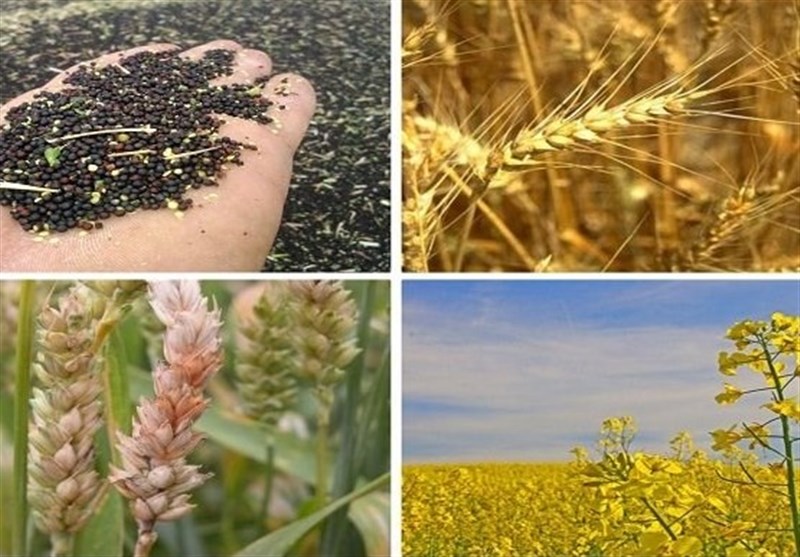
Nothing has happened in the production and the input items have not changed and the issue is in the market. The Minister's response to the issue of fruit and vegetable prices, which is within the scope of the duties of the Ministry of Silence as a regulator of the market, the issue of forest fires and the shortcomings of dealing with them, the issue of technical readiness to submit a cultivation pattern to parliament To achieve the goals of this comprehensive and unprecedented plan in the Middle East, the discussion of trying to achieve the real price that encourages farmers to plant rapeseed in September, a brief plan of the one-year action plan, including achieving $ 500 million in exports.
Our efforts in many strategic products are self-sufficiency
The Minister's response to the question of whether self-sufficiency is nonsense, that our efforts in many strategic products are self-sufficiency and its capacity, but the productivity of water in which we have limitations should be considered in production and self-sufficiency, Assuring the Minister to the farmers that we have sown seeds one and a half times more than we need in 1998 and there is no need to worry until the end of 1999, the Minister emphasized that new appointments have been made following the transfer of Engineer Keshavarz during his tenure.
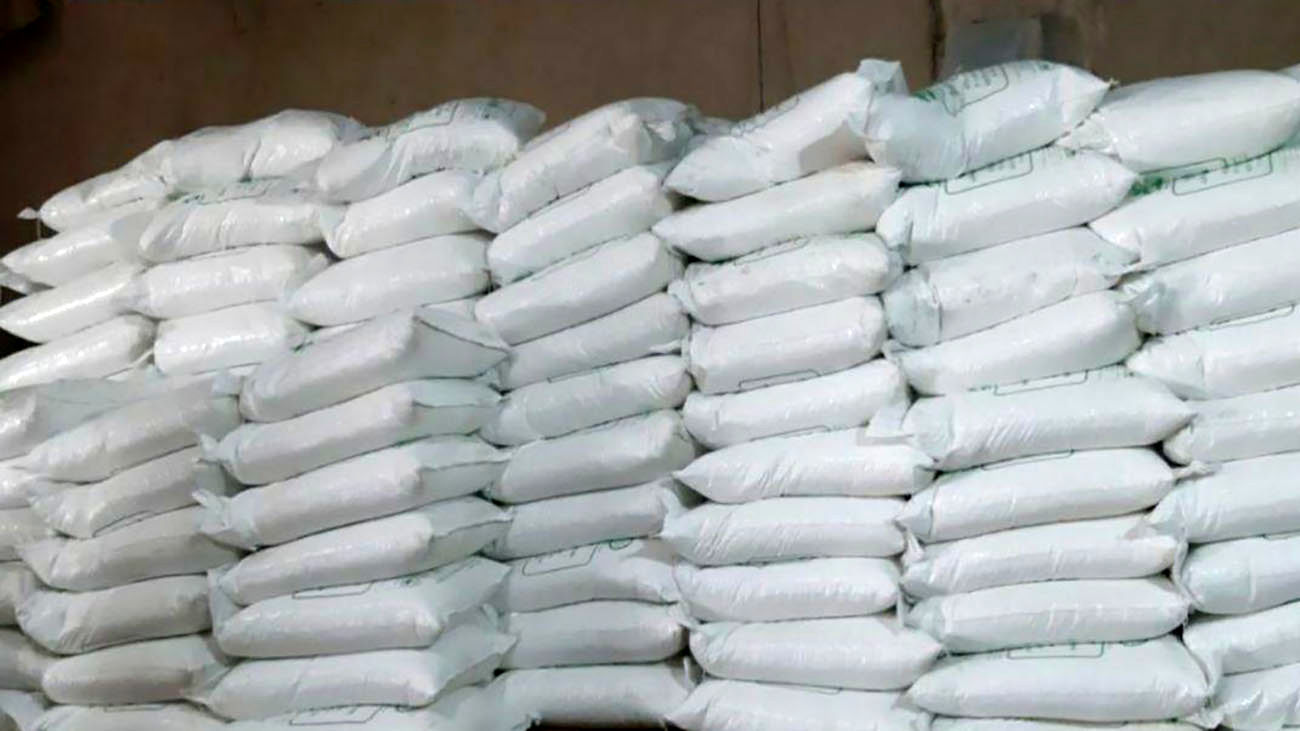
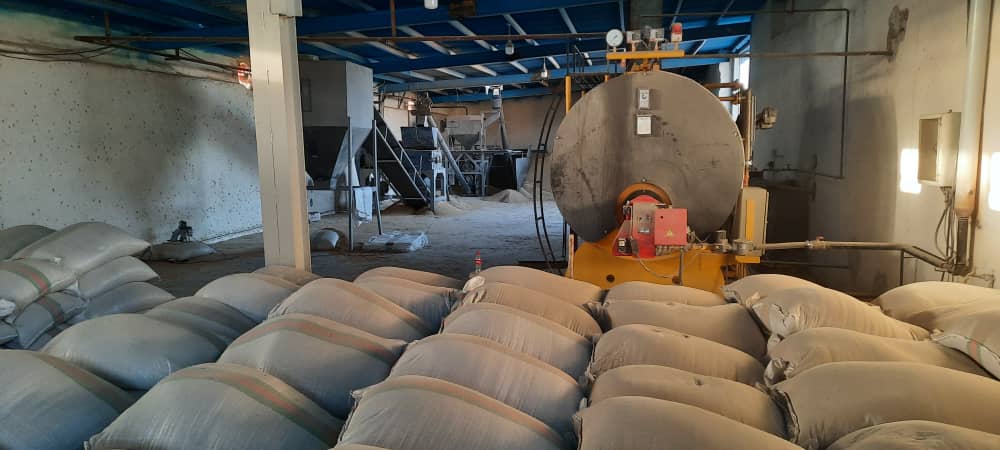
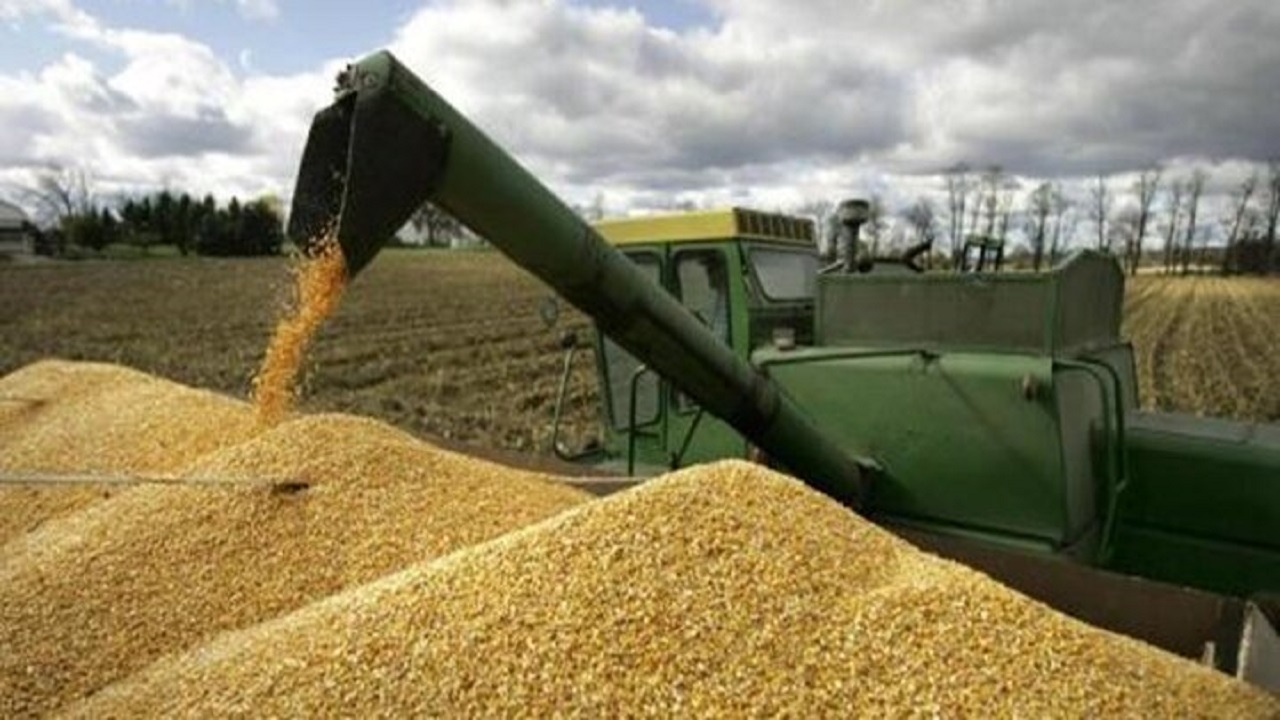
Distribution of 400,000 tons of corn and 200,000 tons of soybean meal to regulate the livestock feed's market
The news of the distribution of 400,000 tons of corn and 200,000 tons of soybean meal by the Livestock Affairs Support Company to regulate the livestock feed, launch an integrated agricultural information system, communicating the pattern of autumn crop production to all provinces, as well as the Minister's emphasis on private sector participation In decision-making and decision-making, appreciation of farmers who, despite the straits of oppressive sanctions and the outbreak of corona, were able to improve food security with their products.
This conference, after a few months away from Corona virus, was a great experience.
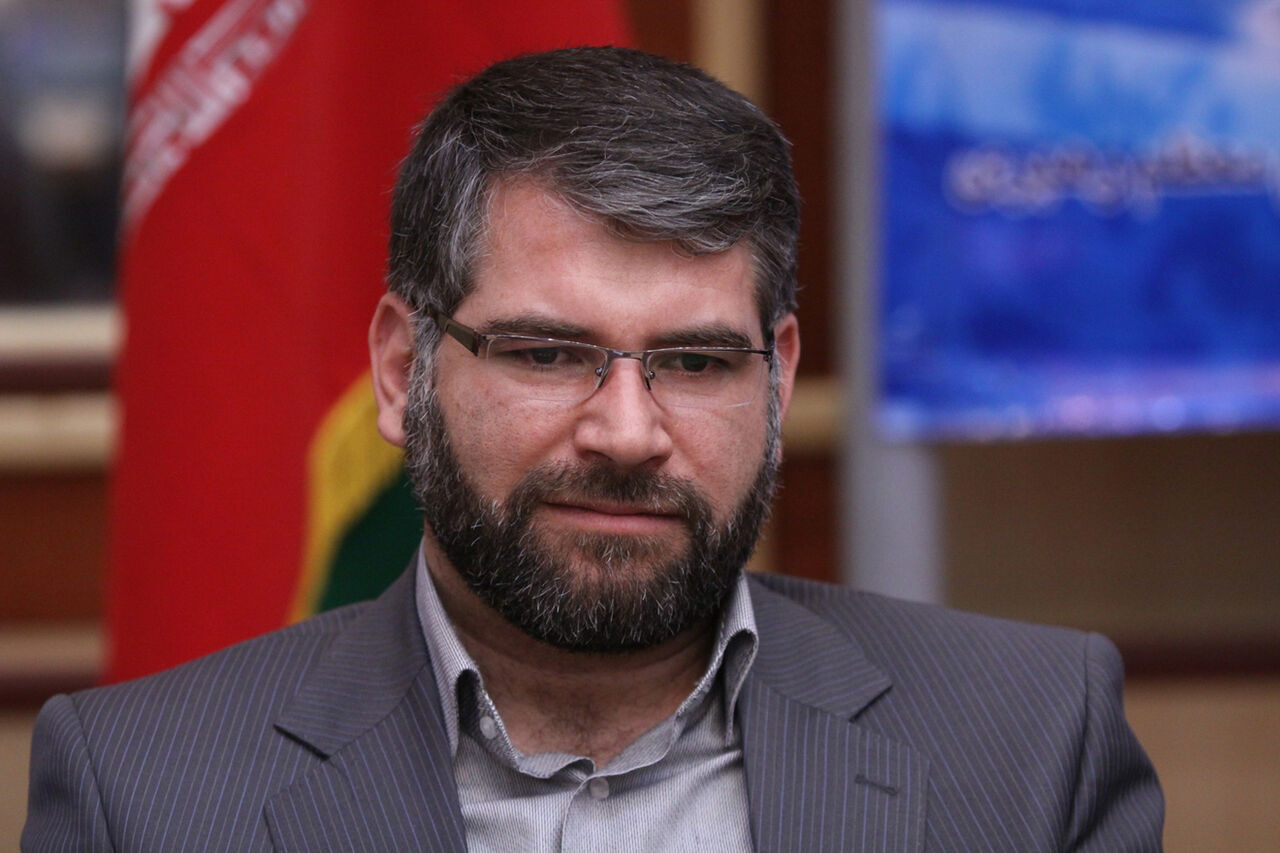
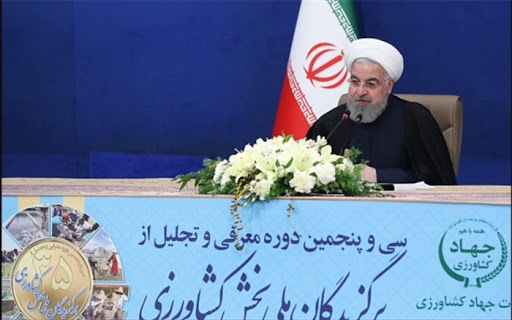
It is worth mentioning that in this press conference that was held in the conference hall of Nemati Jam, the old building of the Ministry of Jahade Keshavarzi, the Minister was a little late and had the opportunity to meet with most deputies and general managers of different departments, both old and new. They came, after a few months away from Corona, it was a great experience.
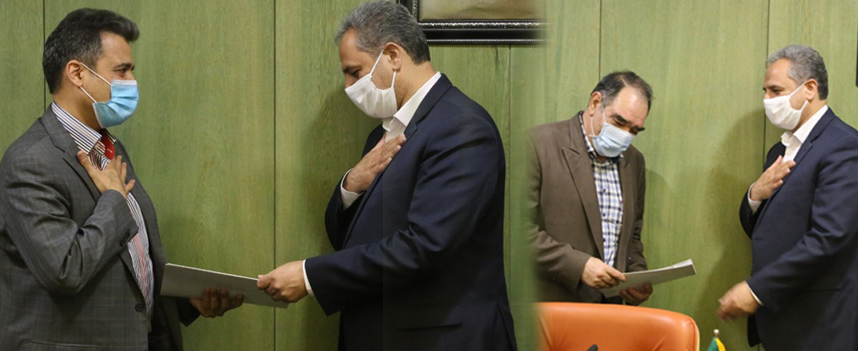
Everyone had a mask
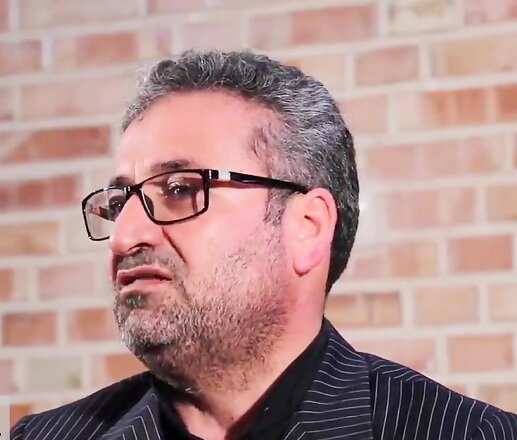
At the ceremony, everyone wore a mask and, of course, less gloves, which can be attributed in large part to the community's health protocol, as each newcomer is provided with the necessary equipment for a mask and gloves and a bottle. The little one was giving alcohol. The preparation of a leaflet with the topics of the press conference was also a good initiative by this institution. Throughout the program, the minister answered questions with confidence, slowly, concisely, and without margins, and as a result, almost all journalists were able to ask their questions.
see more photos of this conference:















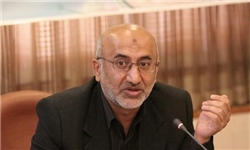
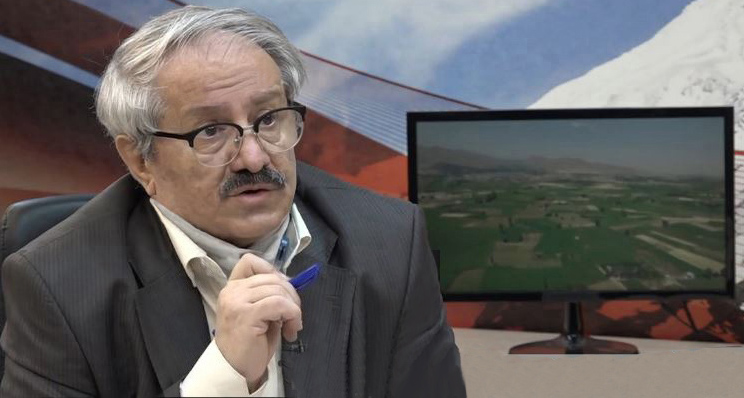

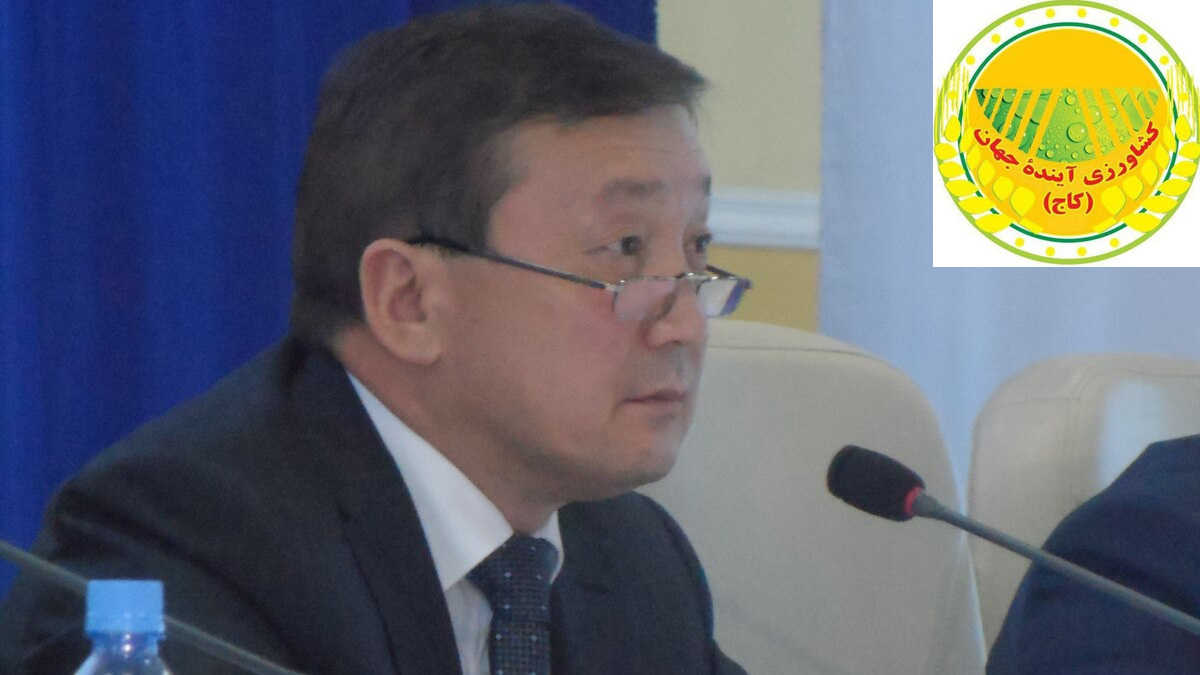



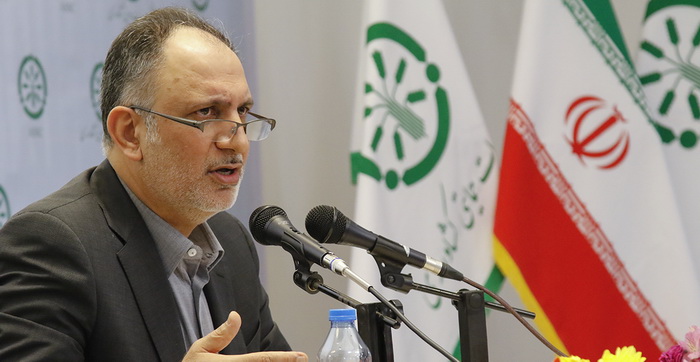


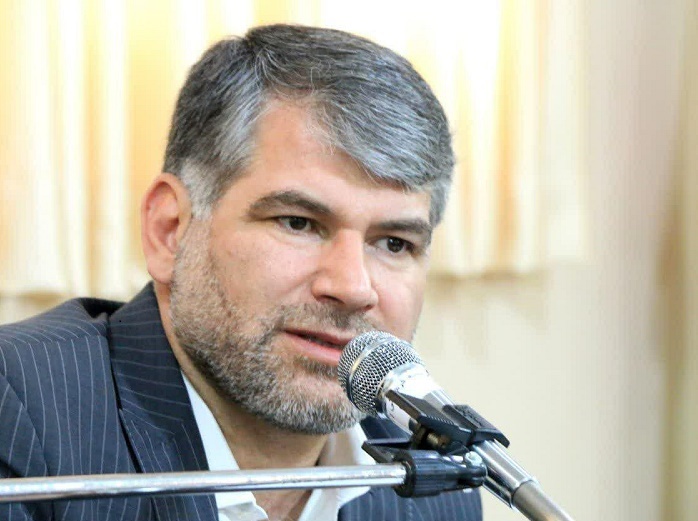

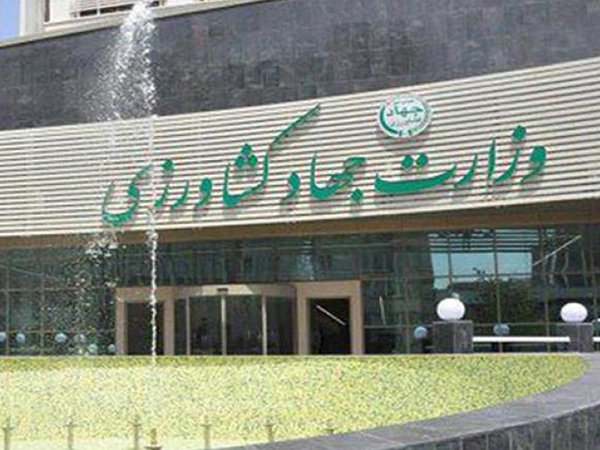









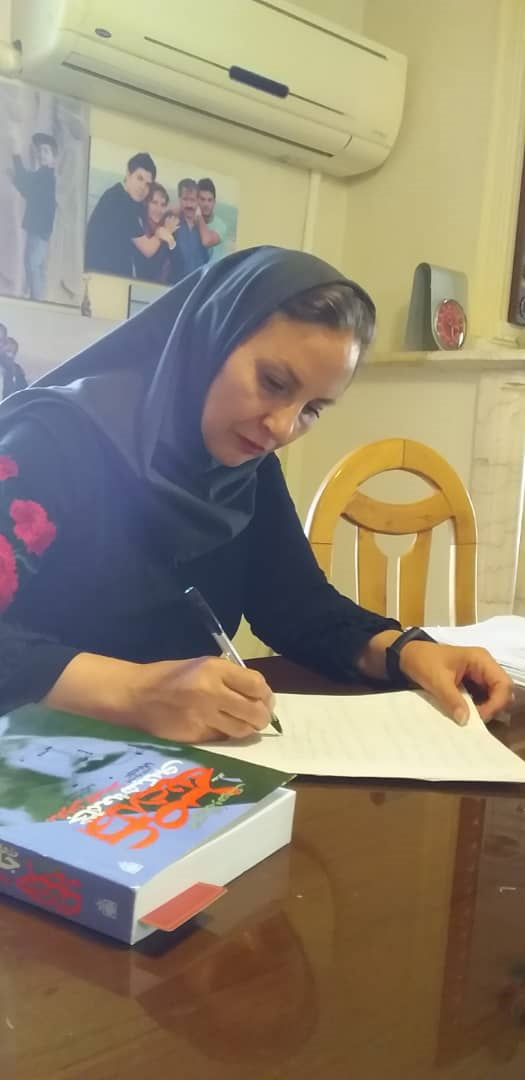




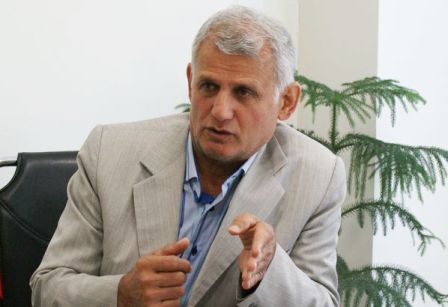





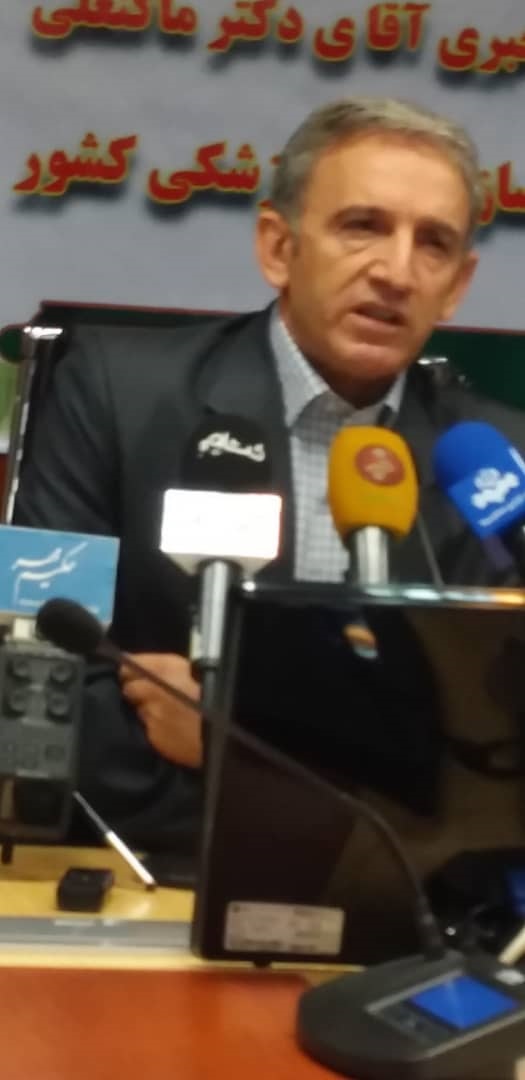









https://www.keshavarziayandehjahan.ir/en/today.html?start=40#sigProIdb9ca9b43d2
 Faranak-Masoudi (agricultural reporter)

Iran's aquaculture exports to the European Union have resumed
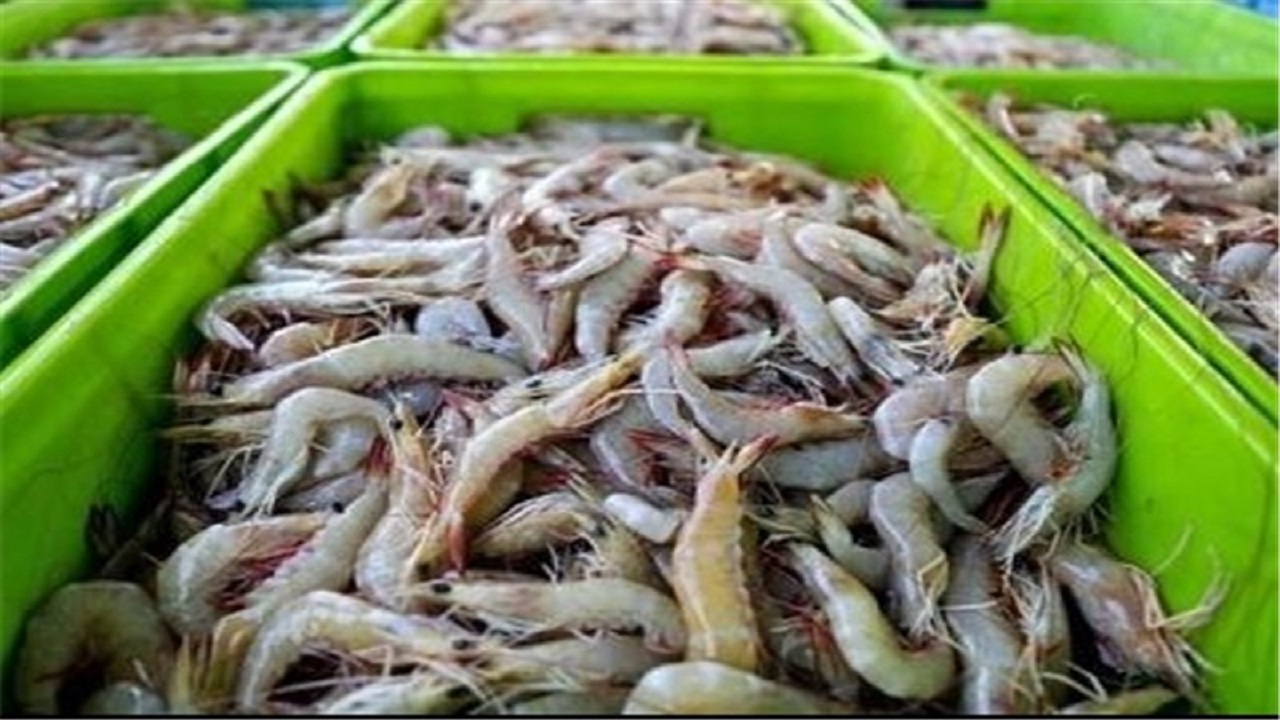
The Veterinary Organization of the Islamic Republic of Iran announced: The export and registration of new companies exporting Iranian aquaculture and fishery products to EU member states has begun.
According to the Ministry of Jihad for Agriculture: Despite the harsh US sanctions that have caused problems for the export of fishery products, Iran has again succeeded in obtaining a license to export aquaculture and fishery products to EU member states.
At present, it is possible to register and export new Iranian companies with the conditions approved by this organization and EC code to the European Union.


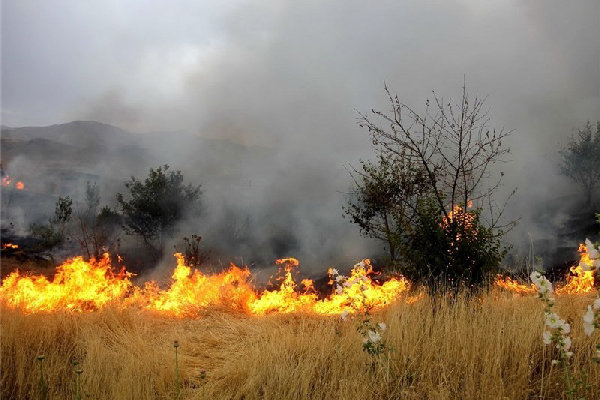
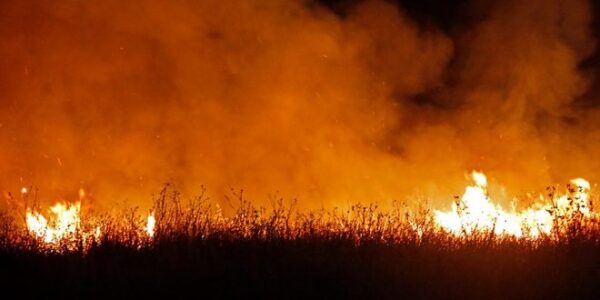
Zagros burned in the fire!+ photo
The Zagros forest fires cover pastures and protected areas in the south and west of the Zagros. The three provinces are the main focus of the fire, and the main fires are in the Khaeiz area of Kohgiluyeh and Boyer-Ahmad Provinces, and the Black Hill no-hunting zone in Bushehr Province.
In this regard, in May-June 2020, large-scale fires broke out in the forests of the Zagros Mountains, and the relevant authorities were accused of negligence in protecting forests and countering fires.
Geography
The forests of the Zagros, with an area of 11 million hectares, make up 40% of Iran's forests, including about 70% of the Zagros forest species.
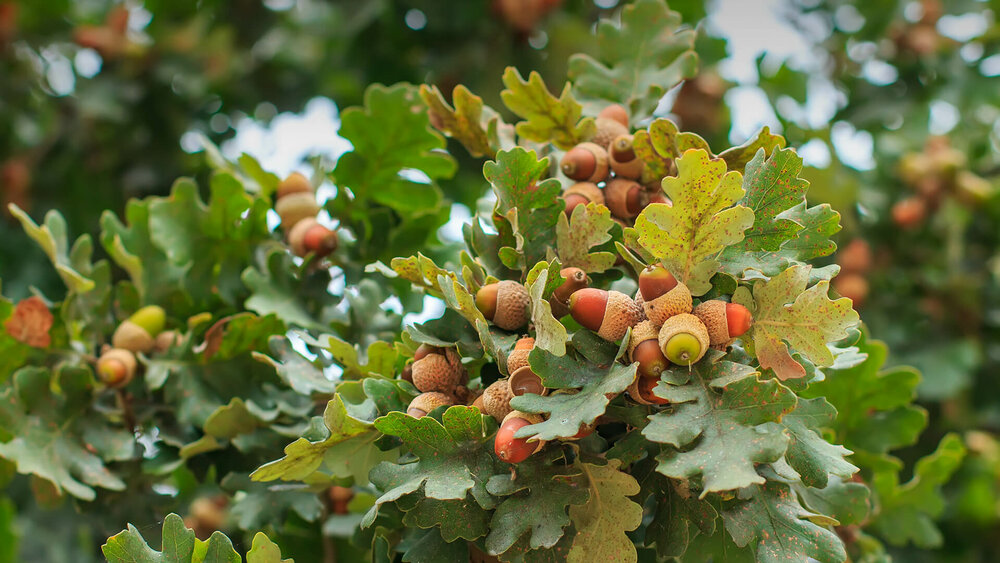
Maple, kikum, coriander, sparrow tongue, wild pear, willow, purple, almond varieties and other trees. Oak forests in the Zagros region begin in northwestern Iran and extend to southwestern Iran.
The destruction of the forests of the Zagros
In recent decades, one-sixth of the Zagros forest area has been destroyed for various reasons. According to the province's natural resources statistics, 75 fires broke out in the forests of Kohgiluyeh and Boyer-Ahmad Provinces in 1995, burning 950 hectares of Kohgiluyeh and Boyer-Ahmad forests.
Also, in 1996, by the end of December, there were 110 fires in the forests and pastures of the province, in which 700 hectares of the province's forests were burned. In 1998, 364 hectares of forests and pastures in the province caught fire. According to Kohgiluyeh and Boyer-Ahmad's director general of environmental protection, the cause of most of the fires last year was human, and one of the main reasons for the fires in those areas was the burning of straw in agricultural fields.
Extreme winds, difficult access areas, high altitudes and Breadth of rangelands , along with a shortage of manpower and support equipment play a significant role in preventing and controlling fires.
The extent of fires
According to official statistics, 500 hectares of Zagros forests have been set on fire in Kohgiluyeh and Boyer-Ahmad Provinces alone.
Areas affected by fires
Here are some areas affected by fires.
Khaeiz
Khaeiz region is the border between Khuzestan province and Kohgiluyeh and Boyer-Ahmad provinces. Khaeiz Protected Area with an area of more than 33,000 hectares is located 15 km from Dehdasht and is connected to Behbahan from the south, to Paduk Bridge in Khairabad Gachsaran from the east and to Maroun Dam from the west. The fire started on Thursday, May 28, 1999 in a part of the forests on the northern side of Khaeiz
. The fire started from Behbahan in Khuzestan province and because it was not controlled in time, it spread to Kohgiluyeh and Boyer-Ahmad provinces and reached the heights and spread.
The cause of the fire was the dispute between two livestock farmers living on the slopes of Khaeiz Mountain, which, despite the presence of popular forces, non-governmental organizations and the executive apparatus, was exacerbated by the strong winds of the blaze.
Bushehr province
In the heights of the hunting area of Kuh-e-Siah in Bushehr, Dashtestan city, Bushehr province, the cause of the fire is lightning. One day after the fire, two helicopters were sent from Fars province to help the area, both of which were technically defective and could not pull the Black Mountain out of the fire, and the fire spread to other parts of the province.
Black Mountain has been on fire since Wednesday, May 27, 2020.
The blaze caused extensive damage to the region's groves, leaving at least 300 palm trees on fire. The fire was finally contorolled on 30 may. Earlier, a fire in the Dehroud area of Dashtestan and the Birmi mountains of the Khaeiz Tangestan region also burned 620 hectares of pastures in these areas. In April and May, 31 fires broke out in the pastures of Bushehr province and 194 hectares of the province's pastures were on fire.
Diary
On Sunday, May 31, a fire broke out in the Khaeiz Protected Area, again from the Strait to Behbahan. So far, one firefighter has been killed and three others injured. They need a sprinkler helicopter to control the fire, but so far a number of people's forces have been present to put out the fire.
Reactions
Kohgiluyeh and Boyer-Ahmad's director general of environmental protection, said:"The fire that sweeched in the forests and pastures of Khaeiz Mountain in Kohgiluyeh city since the evening of Thursday, May 28, 2020 and has been continued, Due to lack of manpower and logistics."
Kohgiluyeh's deputy governor called the situation in the Khaeiz protected area "extremely critical" and called on the country's crisis management to take action.
In this regard, many artistic, sports, political and media figures reacted and called on the authorities to take immediate action to put out the fire.


https://www.keshavarziayandehjahan.ir/en/today.html?start=40#sigProIdfad2709ca2
Faranak-Masoudi (agricultural reporter)


Wildfires in Zagros have resulted in 150 hectares of the natural forest of the region to cease!
Background
With the gradual rise of the temperature during summer, the resourceful ‘Zagros Montane ecosystem’, unprotected by the local authority and uncared for by the residents, has, unfortunately, massively damaged as the result of a recent wildfire.

Geography
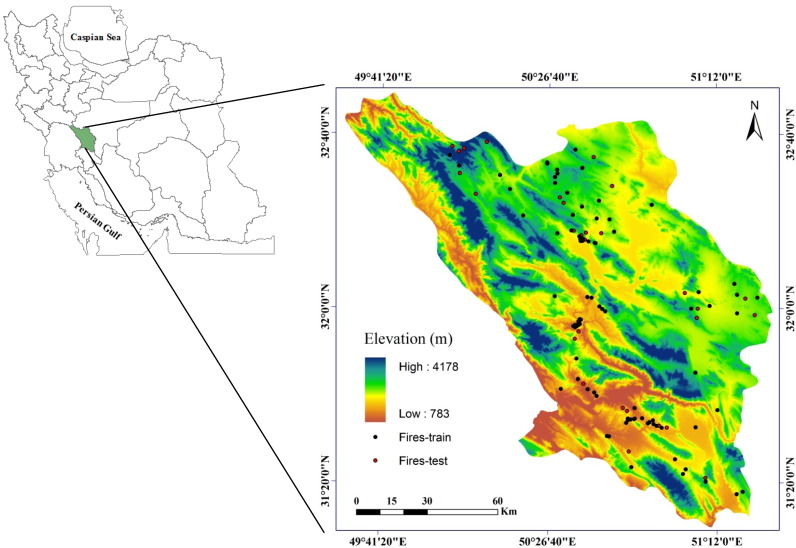
Zagros Forest, with an area of about 6 million hectares (40% of Iran’s forest), are located in the west region of the country. These forests have also been called Western Oak Forests, due to the dominancy of Oak Species. Oak species include Maple, Kikum, Coriander, Sparrow Tongue, Wild Pear, Willow, and varieties of Almond tree species.
The incident
According to the local news, in the evening of Thursday 28 May 2020, in two sperate incidents, two sets of fire broke out in the woodlands near Jozar Village in Kohgilouyeh-Boyerahmad. The firefighters and the brave local residence, in a collaboration, combat the fire for approximately 12 hours in which it eventually resulted in the wildfire incinerated 150 hectares of Zagros forest in Kohgilouyeh-Boyerahmad Province as well as burn up to 5 hectares in Ilam Province.
History of the natural disasters of the region
This is not the first time that such a natural disaster happens in the region. According to the province's natural resources statistics, in 1995, there were 75 separate fires broke out in the forest and burned up to 950 hectares of the region. Furthermore, in 1996, there were 110 separate fires broke out and resulted in 700 hectares of the forest burned and; penultimately, in 1998, 7 individual fire broke out and resulted in 364 hectares of the forest to burn up.
Reasons for the wildfire in Iran
According to Tehran Times (2017), 95% of wildfires in Iran are caused by humans; they are either intentional for example for retaliation purposes (land dispute) or unintentional for instance carelessness or excessive use. According to the same source, since the beginning of the current Iranian-Calendar, 11 Farvardin 1304 (31 March 1925), there have been 30 to 40 wildfires in the Zagros forest. To add, forest in provinces of Golestan, Khuzestan, Kerman, and Lorestan also sustained damages to some extend due to wildfires. It is believed that approximately 60% of the human-caused wildfire in Iran happen unintentionally and 40% on purpose, for instance in retaliation against one family or to get one's hand on a piece of land.
Reaction
Kohgilouyeh-Boyerahmad's environmental protection director said, "In the evening of Thursday, 28 May 2020, the fire has started in the forests of Khazei Mountain in Kohgilouyeh city, and it has been continued due to lack of manpower and logistics." Furthermore, Kohgiluyeh's deputy governor called the situation in the Khazei protected area "extremely critical" and called on the country's crisis management to take action. Moreover, many artistic, sports, political and media figures reacted out to and called on the authorities to take immediate action to put out the fire on rest.
Considering that the nature of Iran is highly unique in the world, and about 60% of the country is covered with forest and pastures, it is inevitable to believe the importance of safeguarding these areas. There is a famous quote that says, "Disaster prevention is better than the cure". This quote suggests, the forests in Iran, particularly Zagros, due to its history of the natural disasters, ought to be modified to provide preparations to prevent another large-scale wildfire.

By: Masoud-Ansari(PhD student - Oxford)

Agro-industry, with change in management and attitude in production on the path to sustainable development
As the news came, the development project of the two companies under the Department of Agriculture Economic Organization Kowsar on 15th. May with the participation of Minister of Agriculture and his delegation, as well as Vice President and President of the Foundation Shahid and Mr.Eskandari Director of Economic Kowsar And a group of executives and experts has officially opened with the presence of journalists and representatives of various media. One of these development programs, projects and 225 hectares of pistachio orchards all machines equipped with a drip irrigation system of "agro-industrial illumination”.
Currently, the company mainly engaged in agriculture, horticulture and animal husbandry units Fakhrabad, Taqiabad and Sa'dabadactivities over the past two years after the "doctor signs" of researchers at the Country Manager of this industry's With changes in the structure of production units, including livestock breeding, it has entered a new stage in the development of its activities, especially in the animal husbandry sector.
.